
How Does a Ground Source Heat Pump Work?


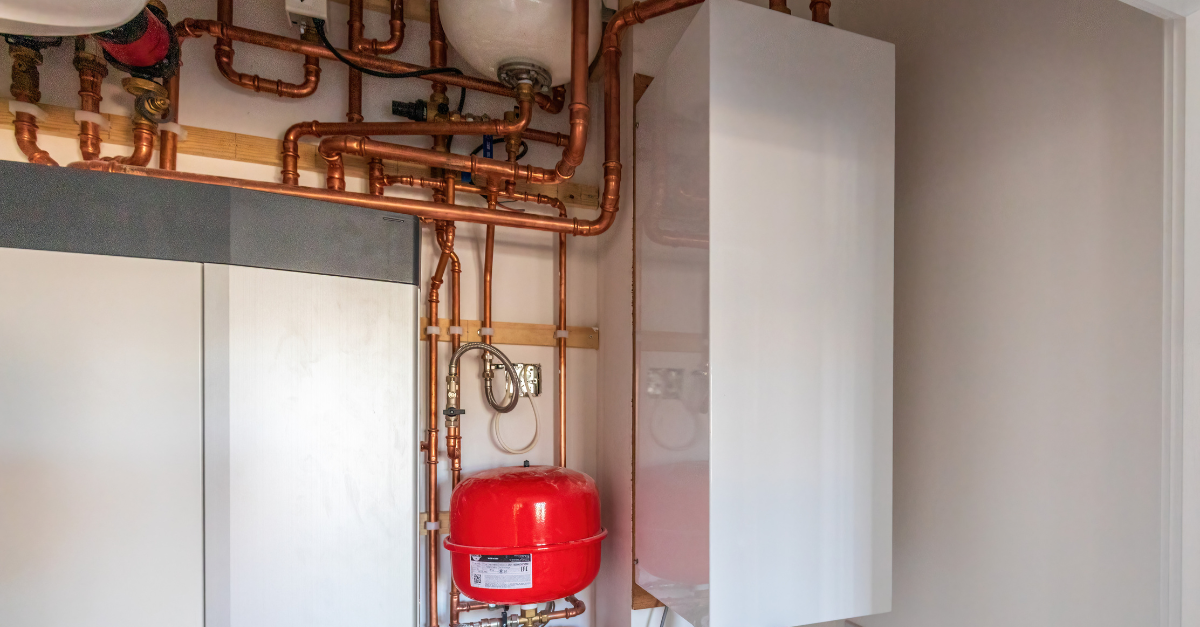
A ground source heat pump works by collecting low-grade heat stored in the ground and upgrading it to provide heating and hot water for a building. While the technology can sound complex, the process itself is straightforward.
As building regulations tighten, ground source heat pumps are increasingly being considered as a compliant low-carbon heating solution for new homes, particularly in response to the Future Homes Standard 2025.
This article explains how a ground source heat pump works, step by step, and how it fits into a complete heating system.
The Basic Principle Behind Ground Source Heat Pumps
The ground absorbs heat from the sun throughout the year. Below the surface, ground temperatures remain relatively stable, even in winter. A ground source heat pump takes advantage of this stored heat by transferring it from the ground into a building, rather than creating heat through combustion.
This process uses electricity to move and concentrate heat, making it an efficient and low-carbon way to heat buildings.
Step-by-Step: How a Ground Source Heat Pump Works
1. Heat is collected from the ground
Heat is collected using a network of underground pipes, known as the ground loop. These pipes are typically installed in vertical boreholes or, in some cases, horizontal trenches or water bodies. A fluid circulates through the pipes and absorbs low-grade heat from the surrounding ground.
2. Heat is transferred to the heat pump
The warmed fluid flows back to the heat pump unit, where the heat is transferred through a heat exchanger. At this stage, the heat is still at a relatively low temperature.
3. The heat pump raises the temperature
The heat pump uses electricity to compress the heat, increasing its temperature to a level suitable for space heating and hot water. This step is what allows a small amount of electricity to produce a much larger amount of usable heat.
4. Heat is distributed around the building
The upgraded heat is then distributed through the building’s heating system. This may include underfloor heating, low-temperature radiators, or a hot water cylinder. Once the heat is delivered, the fluid returns to the ground loop to repeat the cycle.
Why Ground Temperature Matters
One of the key reasons ground source heat pumps work so well is the stability of ground temperatures. Unlike air temperatures, which fluctuate daily and seasonally, the ground maintains a consistent temperature throughout the year. This allows the heat pump to operate efficiently in all seasons, including during cold weather.
The Role of Boreholes in How a Ground Source Heat Pump Works
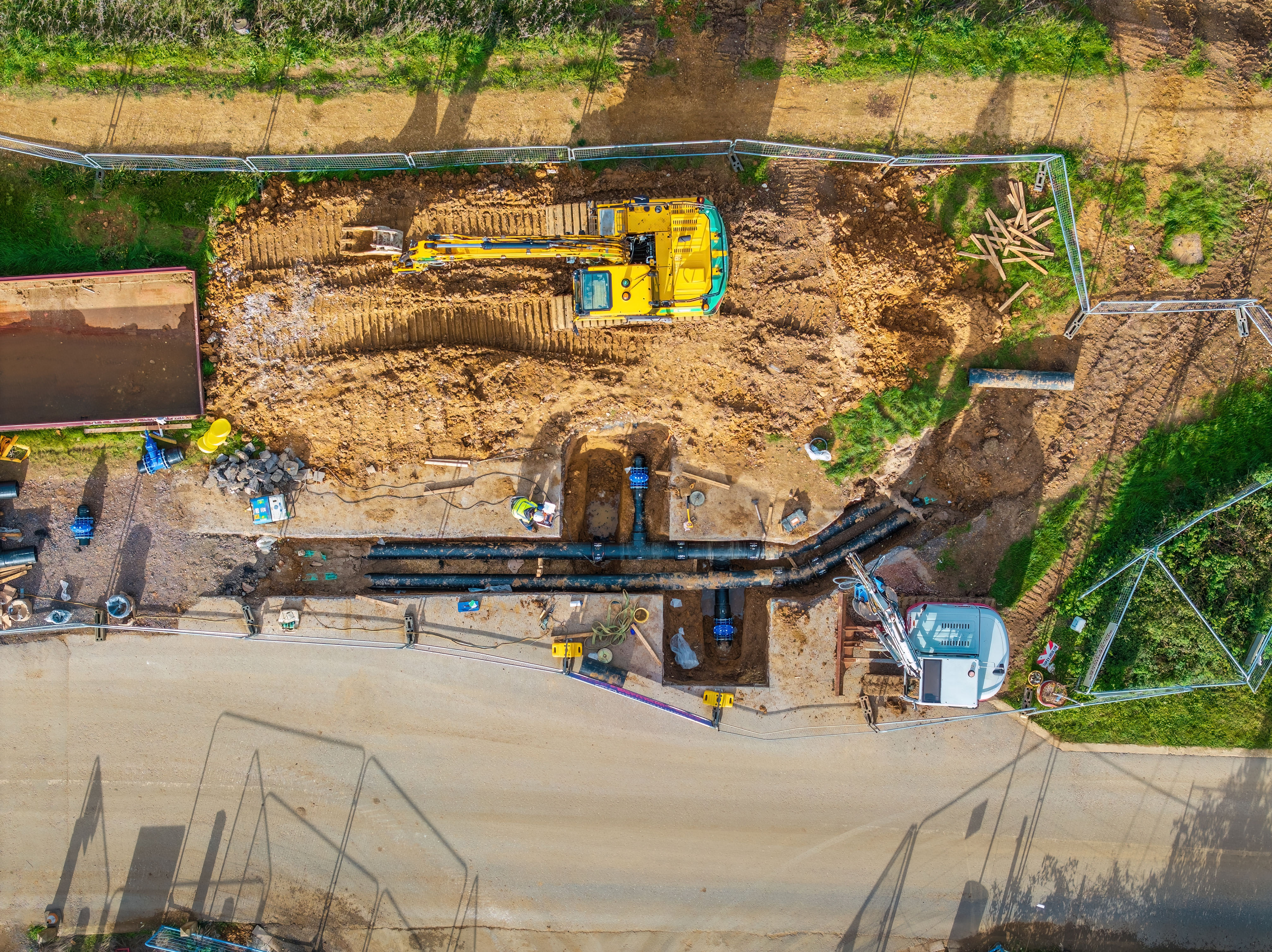
On many sites, heat is collected through vertical boreholes, which allow heat to be extracted from deeper, thermally stable ground. The space, access and programme requirements for this type of borehole drilling are often more manageable than expected and can be planned into most new-build sites early in the design process.
Read more: How Much Space Do You Really Need for Borehole Drilling for Ground Source Heat Pumps?
The surface impact of boreholes is temporary. Once drilling is complete, the ground can be reinstated and built over, with no visible infrastructure remaining.
What Electricity Does a Ground Source Heat Pump Use?
Electricity is used to power the heat pump and circulate the fluid through the system. Importantly, electricity is not used to generate heat directly. Instead, it enables the system to move and upgrade heat from the ground, which is why ground source heat pumps can deliver several units of heat for every unit of electricity used.
How Ground Source Heat Pumps Provide Heating and Hot Water
Ground source heat pumps can supply both space heating and domestic hot water. Heat is delivered at lower temperatures than traditional boiler systems, which makes them particularly well suited to modern, well-insulated buildings; however, with the right design, heat pumps can be used in all types of buildings. Hot water is typically stored in a cylinder to meet daily demand.
How Efficient Is the Process?
The efficiency of a ground source heat pump is measured by how much heat it produces compared to the electricity it uses. Because the ground provides a stable heat source, efficiency remains consistent throughout the year. This makes ground source heat pumps reliable for long-term operation.
What Affects How Well a Ground Source Heat Pump Works?
Several factors influence how effectively a ground source heat pump operates. These include ground conditions, borehole design, building heat demand, insulation levels, and overall system design. Careful planning and early design are essential to achieving good performance.
Common Misunderstandings About How Ground Source Heat Pumps Work
A common misconception is that ground source heat pumps create heat. In reality, they move and upgrade existing heat from the ground.
Another misunderstanding is that they only work in warmer months. Because ground temperatures remain stable, the system works year-round, including in winter.

How This Fits Into a Complete Ground Source Heat Pump System
Understanding how a ground source heat pump works is also important in the context of future building regulations, where low-carbon heating systems will play a central role in meeting the Future Homes Standard.
Design, borehole drilling, installation and long-term operation all play a role in performance. Each stage needs to be considered together to ensure the system works as intended.
For developers, early consideration of ground source systems can also deliver wider advantages around compliance, planning certainty and long-term value.
Read more: Why Early Adopters of Ground Source Heat Pumps Will Lead the New-Build Market
Ground source heat pumps can be delivered as individual systems or as part of a wider geothermal heat network, where multiple buildings share a common ground loop and heat infrastructure.
For larger developments and multi-building sites, geothermal heat networks can also offer wider benefits, including shared infrastructure, long-term flexibility and reduced operational risk.

Next Steps
If you’re considering a ground source heat pump - whether for a new build or retrofit project - an early assessment can help determine how the system would work on your site. Contact our team for a free, no-obligation discussion at enquiries@rendesco.com.